




Agriculture
Global Access to Talent from India
Building the infrastructure behind global opportunities.
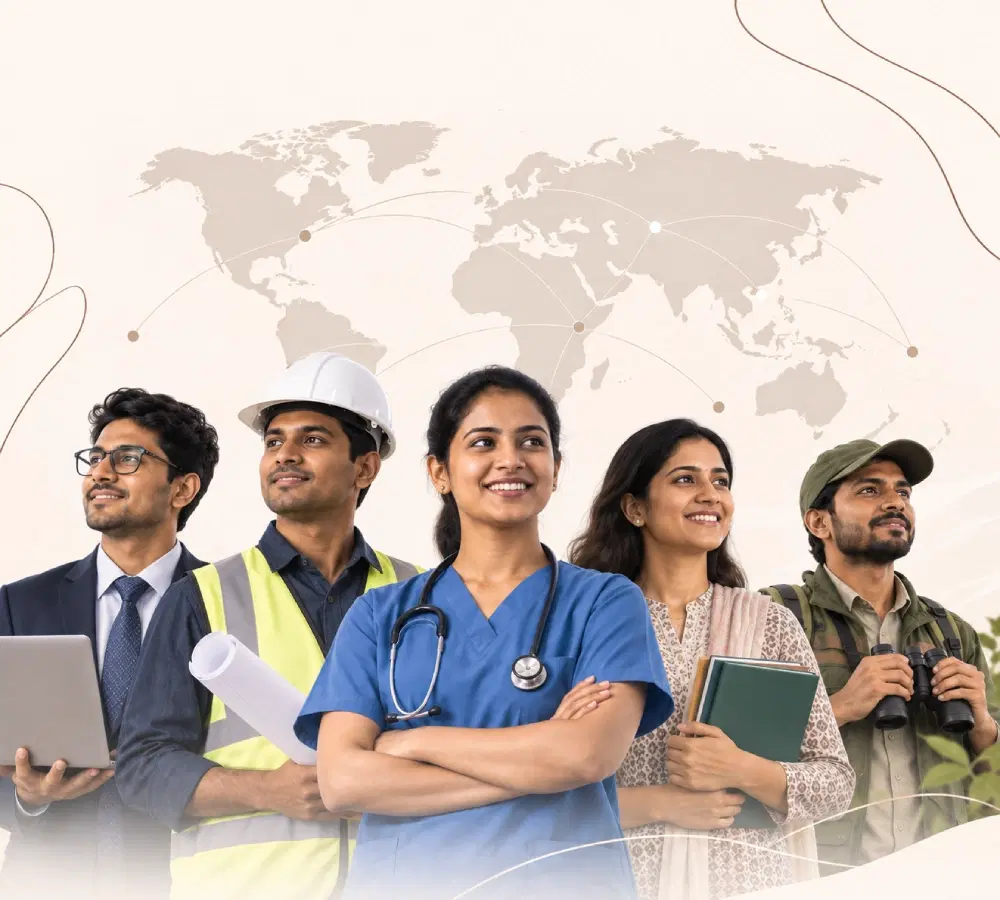
The world is ageing, and the demand for talent is growing, reshaping labour markets across the globe. As countries compete for skills, the imperative is to build circular mobility models that create ethical, safe and scalable pathways for the cross-border flow of talent, knowledge, capital and expertise.
GATI builds the infrastructure to make this possible, connecting global demand with India's talent through trusted systems, partnerships and pathways.
Building A System That Works Both Ways
The answer is not fewer people moving, but better mobility by design.
Historically, cross-border movement has been driven more by Disruption & Development rather than aspirational goals and aims, creating largely one-way pathways driven by concerns around brain drain. So for years, a fragmented ecosystem largely impeded mobility, creating one-way migratory pathways. That no longer works.
Creating circular pathways where talent, skills, knowledge and capital flow in both directions, generating shared value for people, communities and economies.
01
Skills
Training, language and certification
02
Alignment with International Standards
Credentials that travel with the worker
03
Aspirational Mobility
A verified pathway abroad
04
Employment
Work in the destination economy
05
Experience
Skills, income and exposure
06
Return
Capital and know-how come home
07
Reintegration
Local work, enterprise, teaching
Further Mobilitythe cycle continues
For workers
Future-Ready Skills, Aspiration & Global Opportunity
For Destination Countries
Economic Growth, Workforce Resilience & Social Stability
For Countries of Origin
Global Economic Integration, Remittance Growth & Economic Resilience
Circular mobility isn't theoretical
It is already reflected in how durable mobility corridors are designed.
India (origin)Hover or tap a flag for details
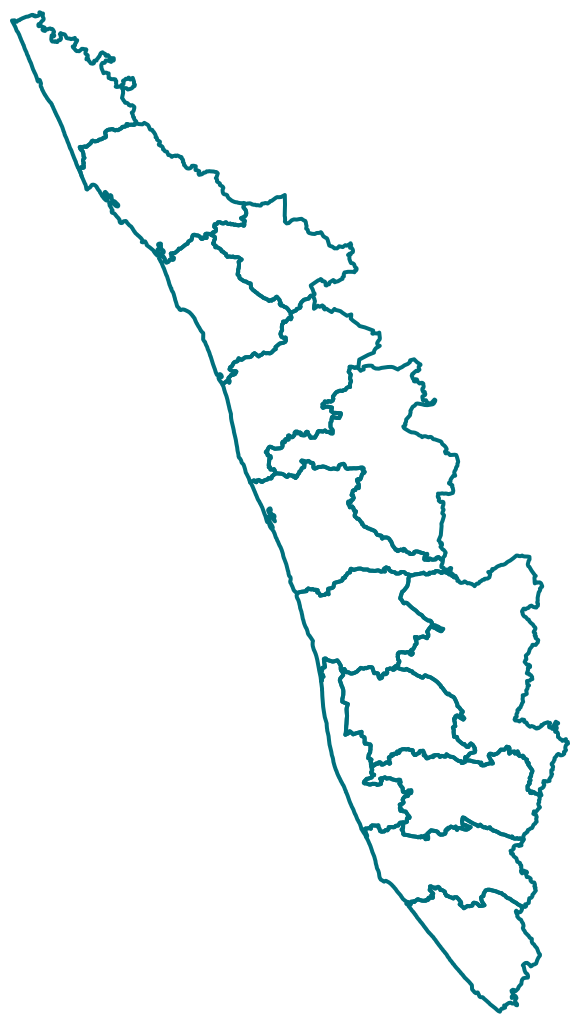
Mobility should be a two-way journey — Kerala proves what's possible
Kerala shows what becomes possible when international mobility is treated as an economic strategy, not simply an employment programme. As a global hub for nursing talent, Kerala offers a glimpse of what India could achieve at scale.
.png&w=256&q=75)
2.2M
Workers overseas
$24.75B
Annual remittances
23.2%
Contribution to the state's economy

33%
Reinvested into local businesses
The result
3× higher entrepreneurship1.5× higher incomesOne of India's highest HDI levels
Sustained remittances, reinvestment and returning entrepreneurs mark a closed loop.

Evolving Global Trends Shaping Mobility
A structural shift, happening everywhere at once
This isn't a temporary shortage in a few places. It's a structural, simultaneous shift — which means the old approach of permanently moving young workers from “surplus” countries to “deficit” ones doesn't solve the problem. It just relocates it.
73Today
Nations already have too few working-age people to support their elderly
97By 2035
Nations projected to face that gap
100+By 2040
Nations expected to cross that threshold
Why India is the answer?
A global workforce, powered by India
India is projected to be the only major economy with a talent surplus by 2030.
What's missing isn't talent. It's the infrastructure to move it well.
367M+
Young Indians aged 15–29
56.35%
Graduate employability
200+
Countries where Indian talent already works
2030
Projected talent surplus
2nd
Largest English-speaking population
Young Indians aged 15–29
367M+
Graduate employability
56.35%
Countries where Indian talent already works
200+
Projected talent surplus
2030
Largest English-speaking population
2nd
Indian talent success stories
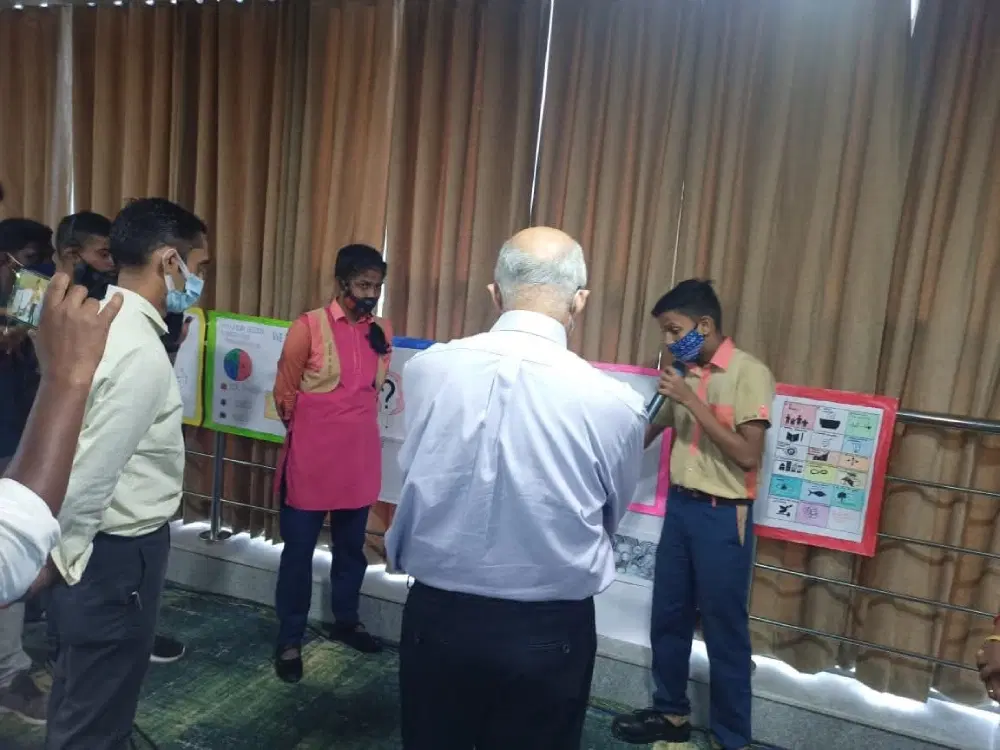
Skilled Trades
From Cuttack to Dubai: When Skills Create More Than a Career
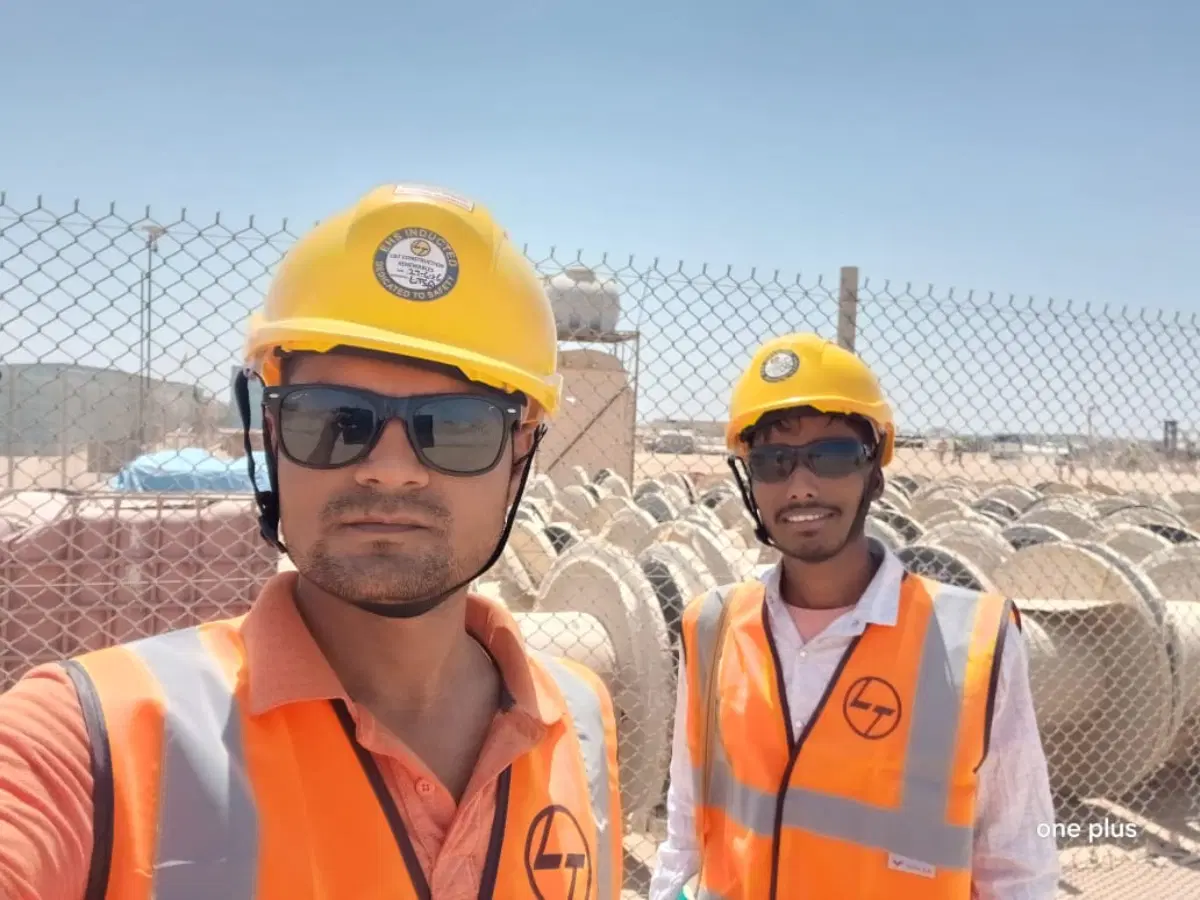
Renewable Energy
From Uttar Pradesh to a Solar Plant in Saudi Arabia
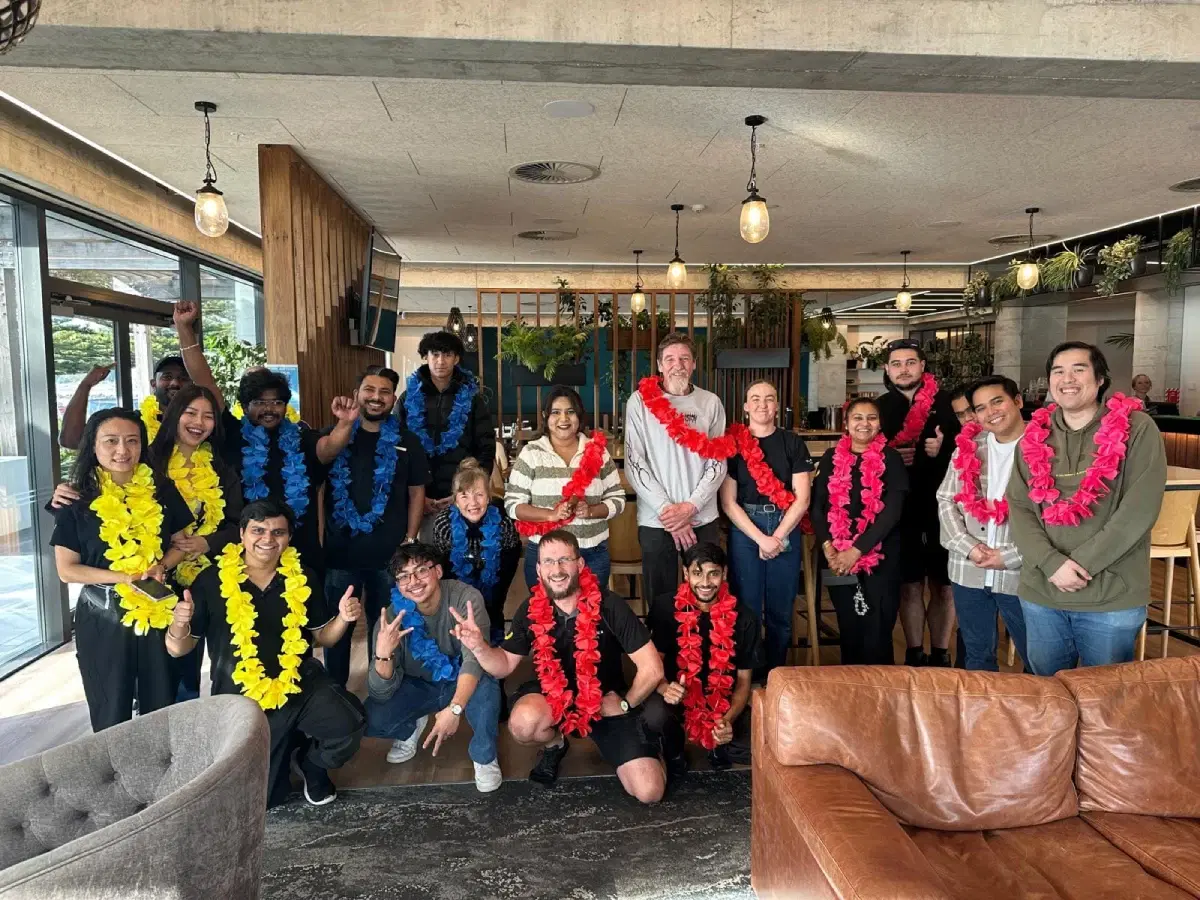
Hospitality
From Nashik to New Zealand: Learning to Find His Way in a New World

Retail
From West Bengal to Kuwait: A Journey Delayed, Not Derailed
Healthcare
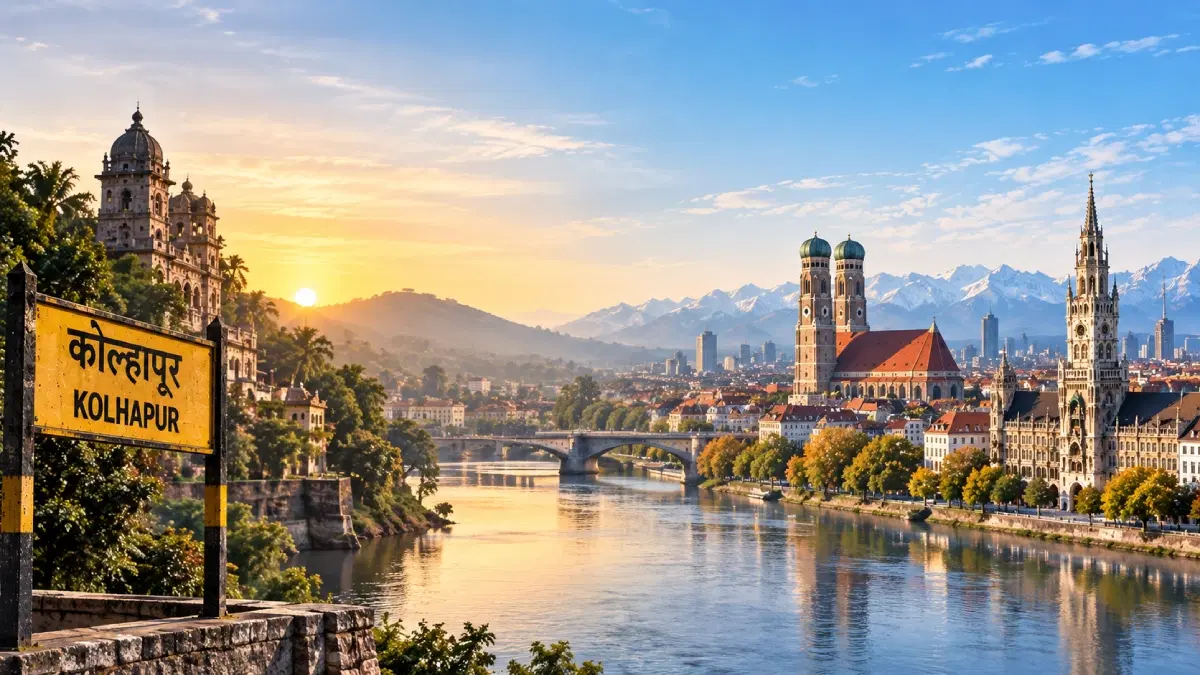
From Kolhapur to Munich: The Journey Behind the Journey
India is not simply part of the global talent story. It is a critical part of the solution.
But talent does not move itself. Turning India's demographic advantage into a global workforce advantage requires the right infrastructure — from skills and language preparation to certification, trusted recruitment, financing, employment and integration.
The future of work will depend on India's workforce.
The Trust Gap
Opportunity isn't the problem. Trust is.
Workers need confidence. Employers need confidence. Governments need confidence. GATI is working to build and scale the infrastructure that closes this trust gap.


Millions of jobs. Millions of workers ready to fill them. Yet the systems connecting them remain fragmented, slow and hard to trust.

Fragmented pathways
Unverified recruitment channels.

Skills that don't translate
Language, certification and cultural gaps.

No protection that travels
Benefits can be lost across borders.

No common standard
Limited standards for trusted workers, agencies and pathways.
What GATI Builds
How we build systems
We don't deliver programmes. We build systems. Every lasting transformation begins with institutions, standards, and partnerships.
GATI works across various critical ecosystems to enable global skills mobility
SUPPLY (India Ecosystems)
India · 6 ecosystems
1Central Ministries

2State Governments

3Private Sector

4CSR / Foundations

5Financial Sector

6Candidates

DEMAND (Host Country Ecosystems)
Host countries · 4 ecosystems
1Governments
2Diaspora

3Employers

4Think Tanks

Significant progress
Engagements commenced
Limited engagement
Six pillars, one solution
Together, these create the infrastructure for a trusted global skills mobility ecosystem.
Pillar 01

Demand Validation
Pillar 02
Supply Mobilisation
Pillar 03
Language & Skills Training
Pillar 04
Portable Financing & Social Security
Pillar 05
Digital Architecture
Pillar 06
Institutional Infrastructure
Work globally. Learn continuously. Return stronger. Go again.
The world is going to move people across borders no matter what. The only question is whether that movement is trusted, protected, and built to send value both ways.