
·7 min read
From Nashik to New Zealand: Learning to Find His Way in a New World
When Deep Patel left Nashik for New Zealand, he knew he was going abroad to build a career. What he did not know was how much he would learn about work, communication, independence and himself.
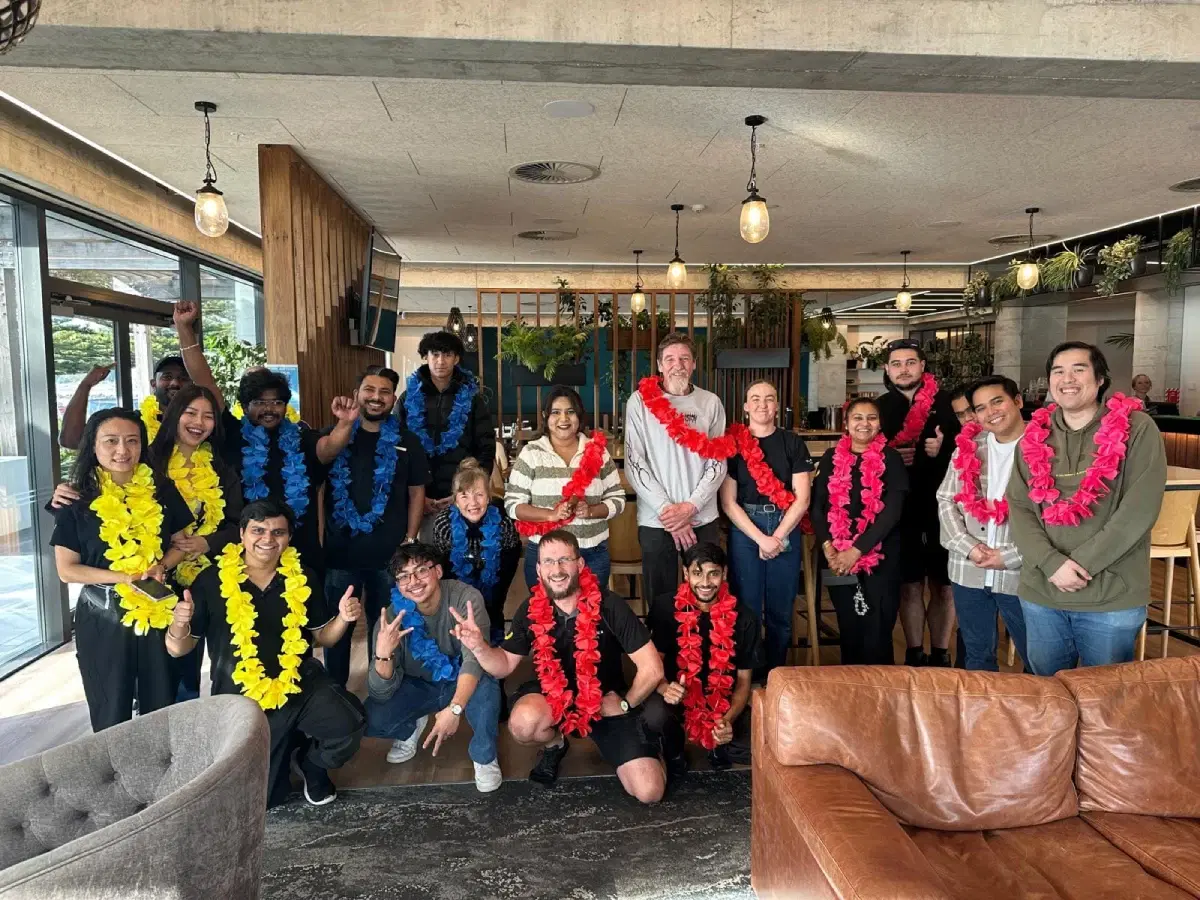
When Deep Patel left Nashik for New Zealand, he knew he was going abroad to build a career. What he did not know was how much he would learn about work, communication, independence and himself.
For Deep Patel, hospitality was never just another career option.
From a young age, he was interested in the world of hotels and the people who worked in it. He liked the energy of the industry, the interaction with people and the feeling that there was always something new to learn. Growing up in Nashik, Maharashtra, he began to see hospitality as a field that could take him beyond what he already knew.
That interest eventually brought him to Parul University, where he pursued a Diploma in Hotel Management and Catering Technology, with a specialisation in Food & Beverage Services and Housekeeping. His training also included industrial experience at Radisson Blu, giving him an early understanding of what working in hospitality looked like beyond the classroom.
But somewhere along the way, another ambition began to take shape.
Deep wanted international experience.
The opportunity came while he was still in college
In 2025, while studying at Parul University, Deep came across an opportunity to pursue hospitality training in New Zealand. He had also considered Australia, but when the opportunity through his college came up, he decided to apply.
The process was not simply a matter of getting on a flight. There were interviews, documentation, preparation and several steps before the move became real. For Deep, each stage was part of getting ready for a workplace and a life that would be very different from the one he knew in India.
Eventually, he arrived in Kaikōura and began on-the-job training in the Housekeeping department at Sudima Hotel.
He had made it to New Zealand. The real learning was just beginning.
The first thing he had to learn was how people spoke
Before leaving India, Deep knew that communication could be one of his biggest challenges.
He had already learnt English, but the New Zealand accent was unfamiliar. So, like many young people preparing for a new country, he turned to the internet. He watched YouTube videos and Instagram content, trying to get used to the way people spoke and the pace of conversations.
It helped, but real life was different.
In the first few weeks, conversations could move much faster than he expected. Sometimes he understood the words but still had to work out what had been said as a whole. The pace of spoken English was very different from what he was used to in India.
There was no special language course that prepared him for it. Instead, Deep learnt the way people often learn the things that matter most: by doing them.
He listened carefully. He asked people to repeat themselves. He asked them to slow down when necessary. His colleagues were patient, and slowly the unfamiliar accent stopped sounding so unfamiliar.
What felt difficult in the beginning became easier with every conversation.
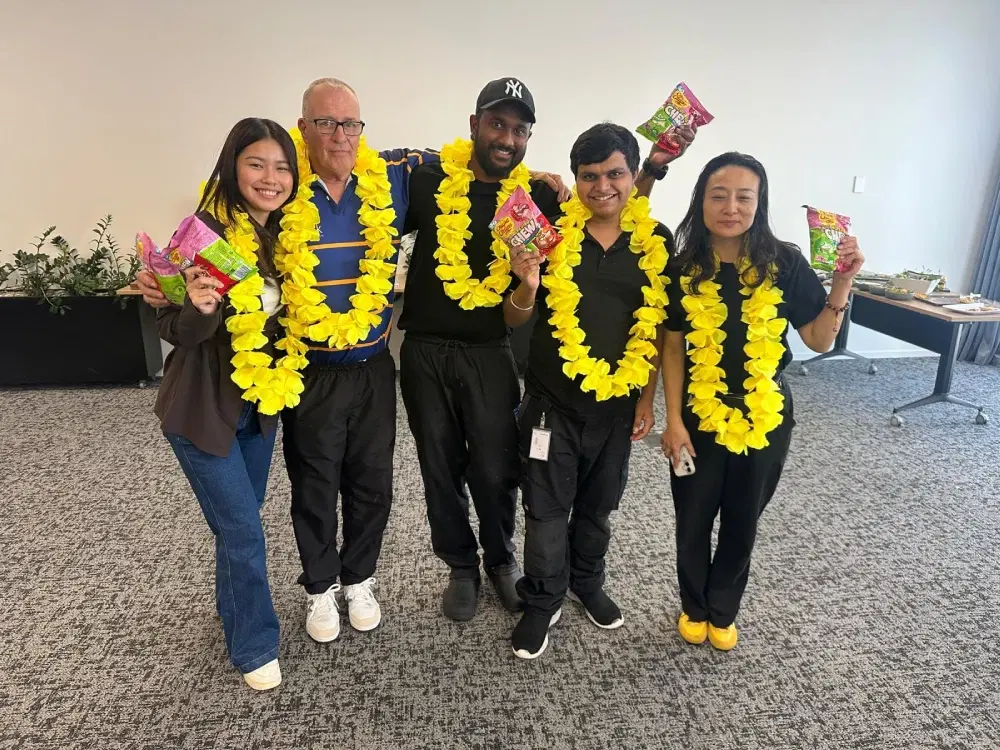
For Deep, one of the biggest lessons was simple: confidence does not always come before the experience. Sometimes, it comes because of the experience.
“Boss” became a first name
The differences were not limited to language.
The workplace culture in New Zealand also surprised him.
Having already seen how hospitality worked in India, Deep had expected long hours, a demanding pace and a more formal relationship between employees and managers. Instead, he found a workplace where working hours were more structured and where there was a stronger sense of balance between work and personal life.
Even the way people addressed each other felt different. In India, calling a senior person “sir” or “boss” can feel natural. In New Zealand, Deep found that managers and colleagues often addressed one another simply by their first names. At first, that felt unusual. Over time, it became normal.
These small differences taught him that moving abroad is not only about learning how to perform a job in another country. It is also about learning the everyday habits and expectations that shape another workplace.
Kaikōura was a different world
Then there was the place itself.
Coming from India, Deep was accustomed to a much busier environment. Kaikōura felt almost the opposite.
There were fewer people, less noise and a much slower pace of life. The quietness was one of the first things he noticed.
At first, adjusting to that was difficult.
Eventually, it became one of the things he liked most.
The slower pace gave him a different experience of everyday life. Away from the crowds and familiarity of home, he also began becoming more comfortable doing things independently managing his time, managing his money and making decisions for himself.
Living abroad was teaching him things that were not part of his hospitality curriculum.
The numbers changed. So did the way he thought about money.
When Deep looks back at his journey, the financial difference is impossible to ignore.
During his hospitality training in India, he earned around ₹4,500 a month. Today, as a Housekeeping Trainee in New Zealand, he earns NZ$24.50 an hour.
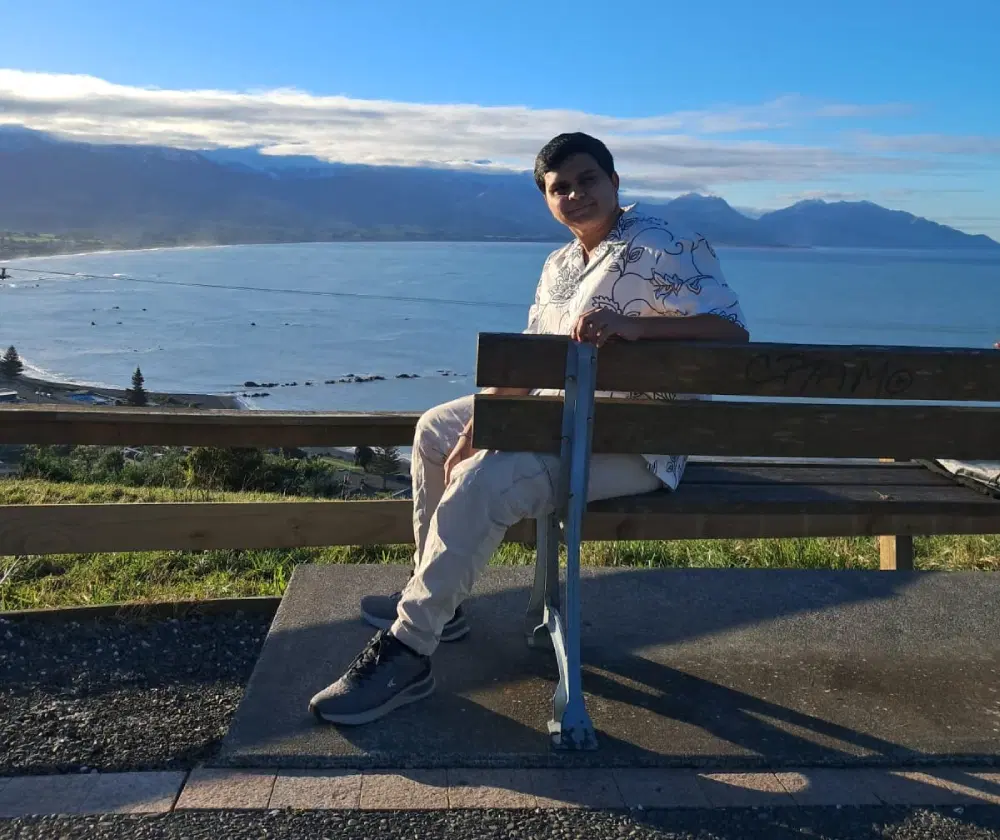
But he does not describe the change simply as earning more.
The cost of living in New Zealand is higher, which means saving requires planning. Rent, food, travel and everyday expenses all have to be considered. Still, the move has given Deep something he values greatly: greater financial independence.
He is able to manage his own expenses and, importantly, save.
That saving has also begun influencing how he thinks about his future.
Deep is already considering the possibility of using what he saves to explore another country and another opportunity.
New Zealand, in his mind, does not have to be the final destination.
It can be the next step.

The real investment was bigger than the ₹6 lakh
The move itself involved a significant financial commitment.
Deep's total cost was approximately ₹6 lakh, including the various expenses associated with the programme, travel, visa, documentation and training. He did this without taking an education loan.
For a young professional beginning his career, that is a considerable investment.
But the return is not something he measures only in currency.
He has gained international workplace experience. He has learnt to communicate with people from a different cultural background. He has become more comfortable adapting to unfamiliar situations. He has gained confidence in his own ability to settle into a new environment.
And he has started to understand what kind of professional he wants to become.
He is still figuring out what comes next
Deep does not pretend that he has everything figured out.
He is still learning. He is still finding his way.
His focus now is on building his skills further, especially his communication and spoken language. He wants to improve his accent and pronunciation, strengthen his professional abilities and eventually learn another language.
The goal is not simply to collect countries.

It is to collect experience.
Each new environment, he believes, can teach him something that he can carry forward.
That way of thinking has changed what “going abroad” means for him. It is no longer just about leaving India for a better salary or a different lifestyle. It is about building a career that can keep moving.
One opportunity leads to the next
Deep's story began in Nashik with an interest in hospitality.
It continued at Parul University, where he built his foundation through formal education and industrial training. An opportunity through the university took him to New Zealand, where the learning became more personal.
He had to listen differently. Work differently. Communicate differently. Adjust to a new culture. Get used to a quieter life. Manage his finances. And, perhaps most importantly, trust that he could find his place in an unfamiliar environment.
None of these changes happened overnight.
They happened one conversation, one shift and one new experience at a time.
Today, Deep is earning NZ$24.50 an hour, gaining international experience and thinking about where his next opportunity might take him.
His journey is still unfolding.
And that may be the most interesting part of it.
Because sometimes, a career is not built around one big decision. It is built through a series of smaller ones—the decision to learn, to apply, to leave what is familiar, to adapt when things become difficult, and to keep looking ahead.
For Deep, New Zealand is one of those steps.
The next one is already somewhere on the horizon.
My goal was never just to work abroad. It was to keep learning. Every experience helps me build the skills, confidence and savings for the next opportunity, wherever that may be.